June 25, 2026
Homes are becoming more connected, automated, and energy-aware, and that shift is changing how electrical systems are designed and maintained. Modern homeowners expect their spaces to support evolving technologies without constant renovations or disruptive rewiring. A local electrical contractor plays a central role in building this kind of flexibility into residential infrastructure from the start.
Future-proofing a home means planning electrical systems that can adapt to new devices, higher energy demands, and changing standards over time. It is less about reacting to technology and more about anticipating it in a structured, scalable way. This approach reduces long-term costs while improving comfort, safety, and convenience.
The growing adoption of smart devices, renewable energy systems, and remote-controlled home features has made professional electrical planning more important than ever. Working with an electrical contractor ensures that installations are aligned with both current needs and future expectations. This partnership helps homeowners avoid outdated systems that struggle to keep up with modern living.
Understanding the Need For Future-Proofing Homes With Smart Systems
Smart home adoption continues to grow as homeowners look for more control over lighting, security, and climate systems. Features like voice-activated lighting controls, smart thermostats, and integrated automation hubs are becoming standard expectations rather than luxury upgrades. An electrical contractor helps ensure these systems are supported by stable wiring, sufficient capacity, and reliable connectivity.
Energy efficiency is also driving change in residential electrical planning. Homeowners want systems that reduce waste while supporting high-performance appliances and digital devices. A local electrical contractor evaluates existing infrastructure and recommends upgrades that improve efficiency without sacrificing functionality.
As homes become more dependent on interconnected systems, electrical design must support both current and future technologies. This includes preparing for increased device loads and ensuring compatibility with evolving smart home platforms. The result is a home environment that adapts smoothly as technology continues to evolve.
Upgrading Electrical Infrastructure For Modern Demands
Electrical infrastructure upgrades are often the foundation of a future-ready home. Older panels and limited circuit capacity can restrict the use of modern appliances and smart systems. An electrical contractor addresses these limitations by installing higher-capacity panels and redistributing loads for improved performance.
Wiring upgrades also play a major role in supporting long-term adaptability. Modern homes benefit from low-voltage wiring, fiber-ready pathways, and structured layouts that simplify future installations. A local electrical contractor ensures these systems are designed with expansion in mind rather than short-term convenience.
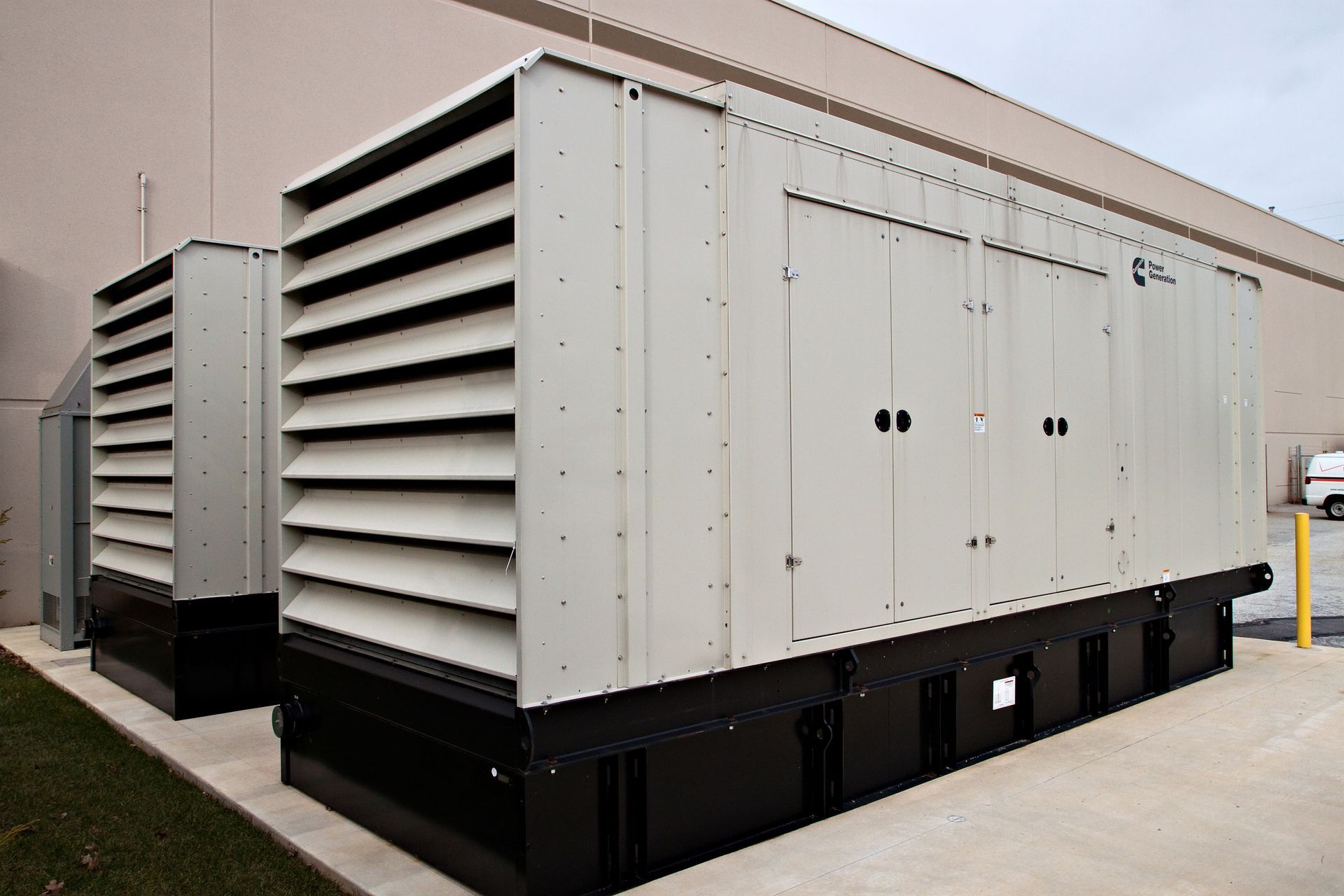
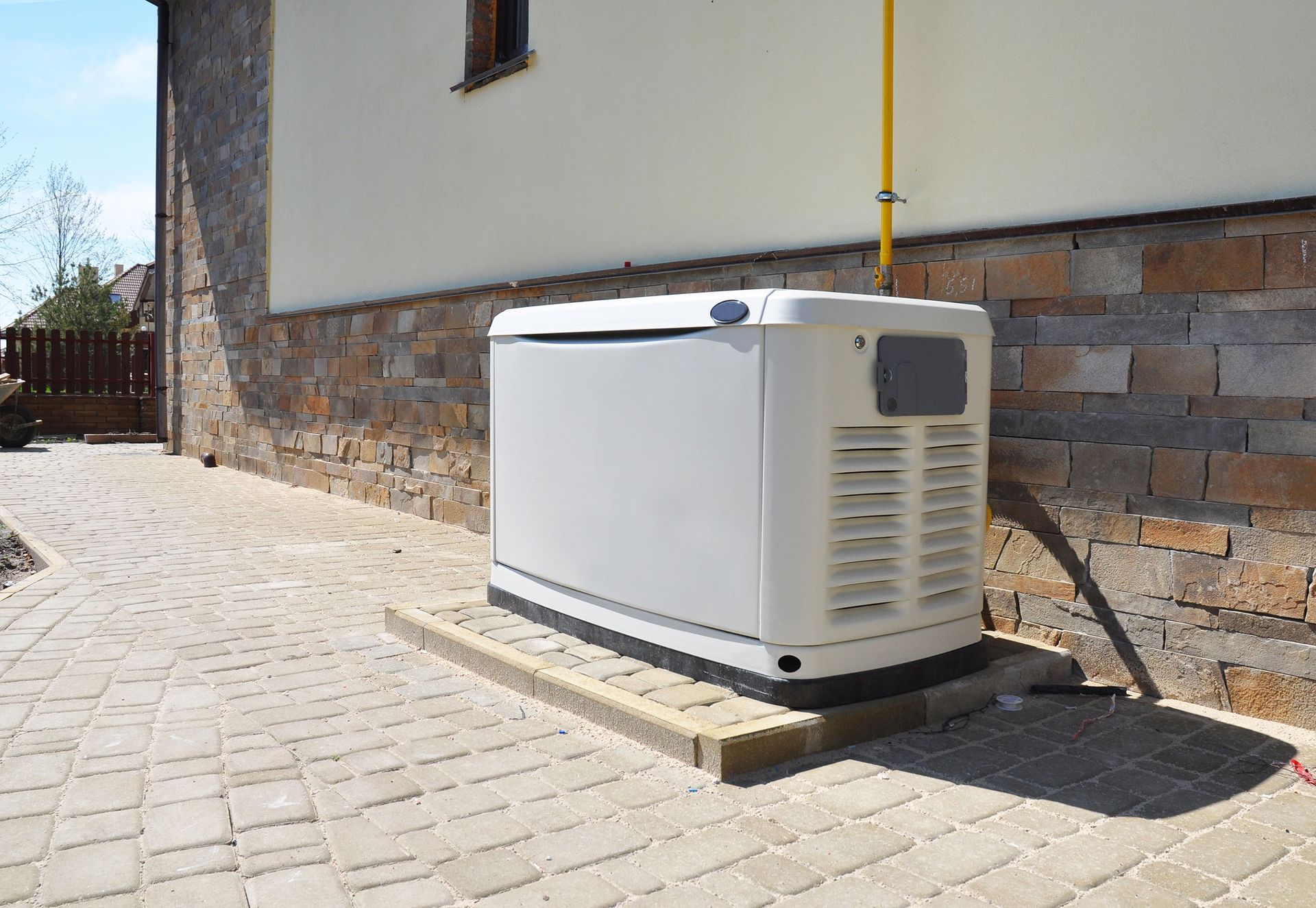
Surge protection and backup power solutions add another layer of security and stability. These features protect sensitive electronics and reduce the risk of damage during outages or voltage fluctuations. When properly installed, they help maintain consistent performance across all connected systems.
Enhancing Network Connectivity and Wi-Fi Systems
Strong connectivity is now essential for both convenience and functionality in modern homes. Many smart systems rely on stable internet access to operate effectively. An electrical contractor helps design network layouts that support seamless connectivity across all living spaces.
Ethernet wiring and structured cabling improve reliability for devices that require consistent performance. This includes home offices, entertainment systems, and security infrastructure. An electrical contractor ensures these connections are strategically placed to reduce lag and eliminate dead zones.
Wi-Fi optimization is equally important in supporting wireless devices throughout the home. Proper placement of access points and network components ensures even coverage and strong signal strength. This creates a more reliable environment for automation systems and everyday digital use.
Implementing Smart Grid Technology For Energy Efficiency
Smart grid integration is transforming how homes interact with utility providers and manage energy usage. These systems allow for real-time monitoring of consumption and more efficient energy distribution. An electrical contractor helps install smart meters and compatible systems that connect homes to these modern grids.
Energy data tracking gives homeowners better insight into their usage habits. This information can be used to adjust consumption patterns and reduce unnecessary energy waste. A local electrical contractor often recommends monitoring systems that support more informed decision-making.
As renewable energy becomes more common, smart grids also support integration with solar and backup systems. This creates a more balanced and responsive energy environment for the home. It also improves long-term efficiency and reduces dependency on traditional power sources.
Integrating Sustainable Energy Solutions For Homes
Sustainability has become a major priority in residential electrical planning. Solar panels and battery storage systems are increasingly used to reduce reliance on external energy sources. An electrical contractor helps design and install these systems to ensure proper integration with existing infrastructure.
Energy storage solutions allow homeowners to capture excess power for later use. This improves resilience during outages and increases overall energy efficiency. An electrical contractor ensures these systems are safely connected and properly optimized for long-term performance.
Sustainable energy planning also includes preparing homes for future advancements. This may involve flexible wiring layouts and scalable systems that support new technologies as they emerge. In this context, a local electrical contractor helps create homes that are both environmentally responsible and technologically adaptable.
Facilitating Continuous Upgradability And Maintenance Planning
Future-proof homes require systems that can evolve without major reconstruction. Modular electrical design allows components to be upgraded individually as technology changes. A local electrical contractor plays a key role in planning these flexible systems.
Accessibility is another important factor in long-term maintenance. Electrical panels, wiring pathways, and control systems must be easy to reach and service. An electrical contractor ensures installations are designed to minimize disruption during future upgrades.
According to Home Guide, electricians typically charge between $50 and $130 per hour, while standard service call fees often range from $100 to $200 and usually include the first hour of labor, based on a summarized interpretation of industry averages. Regular maintenance supported by an electrical contractor helps prevent costly emergencies and extends the lifespan of electrical systems. This proactive approach keeps homes aligned with evolving technology standards.
Delivering Smart Home Automation Solutions For Everyday Living
Home automation has become a central feature in modern residential design, combining convenience with efficiency. Systems such as smart doorbell cameras, automated security setups, and remote access electrical controls are now widely adopted. A local electrical contractor ensures these technologies are properly integrated into the home’s electrical foundation.
Voice-controlled systems and centralized automation hubs allow homeowners to manage multiple functions from a single interface. This includes lighting, climate control, and security features working together seamlessly. An electrical contractor configures these systems to ensure compatibility and reliable operation.
Additional solutions such as smart thermostats and energy monitoring tools further enhance daily comfort and efficiency. These technologies reduce manual adjustments while improving overall energy management. A local electrical contractor helps tailor these systems to match household needs and long-term goals.
Future-proofing a home requires a structured approach that combines infrastructure planning, connectivity, energy management, and automation. Each layer of the electrical system must be designed with adaptability in mind to keep pace with evolving technology. An electrical contractor provides the expertise needed to build this level of resilience into residential spaces.
As homes continue to integrate smarter and more energy-efficient systems, professional electrical planning becomes essential for long-term value, safety, and performance. Thoughtful system design helps ensure that new technologies can be added without major disruptions, rewiring, or costly upgrades. The result is a living environment that operates more efficiently, stays reliably connected, and adapts smoothly as technology continues to evolve. With the right electrical foundation in place, homeowners gain greater flexibility, improved energy management, and long-term confidence in their home systems. Contact Vision Electrical Services Inc.