November 21, 2026
Older homes often have a unique character, but their electrical systems may not have kept pace with modern household demands. Aging wiring, outdated electrical panels, deteriorating insulation, and previous repairs can create concerns that homeowners may not recognize until an electrical problem develops. While some older systems continue functioning for years, others require professional attention to maintain safe and dependable operation.
Understanding how electrical contractors approach older wiring can help homeowners make informed decisions about inspections, repairs, and potential upgrades. Rather than automatically replacing every existing component, qualified professionals evaluate the condition of the system, identify potential hazards, and determine which improvements will provide the greatest benefit. This process helps preserve the home's functionality while addressing electrical concerns that may have developed over time.
Common Warning Signs of Aging Electrical Systems
Older electrical systems can exhibit several warning signs that indicate the need for professional evaluation. Flickering lights, frequently tripped breakers, warm outlets, buzzing sounds, and burning odors may suggest problems with wiring or electrical connections. These symptoms should never be dismissed as ordinary inconveniences because they can indicate overloaded circuits, deteriorating components, or other potentially hazardous conditions.
Homeowners may also notice that certain appliances struggle to operate when multiple devices are running simultaneously. This can happen when an electrical system lacks the capacity to support current household demands. Electrical contractors can investigate these symptoms, examine the affected circuits, and determine whether the underlying issue involves outdated wiring, insufficient capacity, or damaged connections.
Visible wiring concerns deserve attention as well. Frayed insulation, exposed conductors, discolored outlets, and loose electrical connections can indicate deterioration or previous installation problems. Older homes may also contain wiring methods that require specialized evaluation. Professional inspections help identify these conditions before they contribute to equipment damage, unexpected outages, or electrical fires.
Electrical Inspections and Wiring Assessments
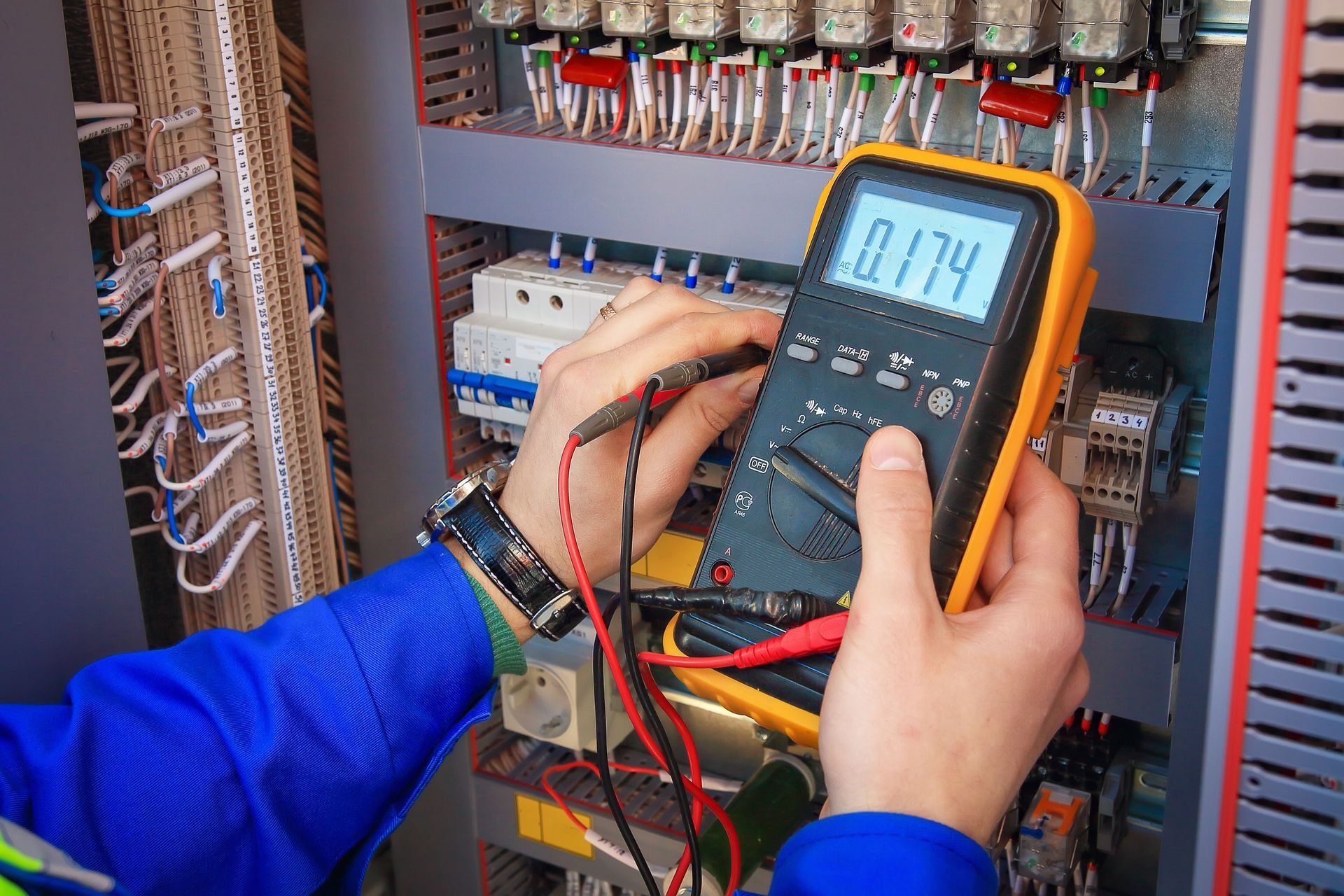
A thorough inspection is an important starting point when evaluating an older home's electrical system. Professionals examine accessible wiring, outlets, switches, junction boxes, circuit connections, and the electrical panel. They look for deterioration, improper modifications, damaged insulation, and signs that previous work may not meet applicable safety requirements. The findings help establish which components are functioning properly and which deserve additional attention.
Electrical contractors also consider how the home's electrical system supports everyday activities. A property that originally accommodated modest lighting and basic appliances may now need to support computers, entertainment equipment, kitchen appliances, heating systems, and other demanding devices. Evaluating the relationship between household usage and available electrical capacity helps professionals identify potential limitations.
According to Statista, approximately 710,300 electrical contracting businesses were operating across the United States as of 2020, highlighting the substantial presence of professionals working in this industry. Homeowners should still evaluate individual qualifications, licensing, experience, and familiarity with older electrical systems when selecting someone to perform an inspection or recommend improvements.
Outdated Wiring Materials and Their Risks
Certain older wiring materials require particular attention because their construction and condition may differ significantly from modern electrical products. Knob-and-tube wiring, for example, was commonly installed in older properties and may still be present in homes that have not undergone substantial electrical renovations. Although properly maintained installations can remain functional, deteriorated insulation, improper alterations, and inadequate modifications can introduce safety concerns.
Aluminum wiring is another material that professionals may encounter when inspecting older homes. Depending on its application, connections, and installation condition, aluminum conductors can present challenges involving expansion, contraction, and connection integrity. Specialized connectors and approved installation practices may be necessary to address these concerns. A qualified professional can determine whether the existing installation requires repairs, modifications, or replacement.
Electrical contractors also examine older wiring insulation for signs of cracking, brittleness, or deterioration. Insulation protects conductors and helps prevent unintended electrical contact. When this protective material breaks down, exposed wiring can create serious hazards. Rather than assuming every older installation is unsafe, professionals assess the actual condition of the materials and recommend appropriate corrective measures.
Electrical Panel and Circuit Upgrades
An older electrical panel may not provide the capacity or protective features required by a modern household. Outdated panels, damaged breakers, limited circuit availability, and improper connections can affect the reliability of the entire electrical system. During an evaluation, professionals determine whether the existing panel can continue serving the property safely or whether an upgrade would provide a better solution.
Panel upgrades can improve the distribution of electricity throughout a home while providing additional room for properly designed circuits. This may be especially important when homeowners are adding major appliances, renovating kitchens, finishing living spaces, or installing new heating and cooling equipment. A properly planned upgrade can help accommodate these demands without relying on overloaded existing circuits.
Electrical contractors may also recommend dedicated circuits for appliances that require their own electrical supply. This approach helps distribute electrical loads appropriately and reduces the likelihood of circuit interruptions caused by excessive demand. The specific improvements depend on the home's existing configuration, connected equipment, and applicable electrical requirements.
Safe Wiring Repairs and Modernization
Not every older home needs a complete wiring replacement. In some situations, targeted repairs can address isolated problems while preserving wiring that remains in acceptable condition. Professionals may replace damaged sections, correct improper connections, install appropriate junction boxes, and address unsafe modifications. The goal is to improve the system's condition without recommending unnecessary work.
However, widespread deterioration or extensive outdated wiring may justify a more comprehensive modernization project. Replacing compromised materials can improve electrical safety, provide better support for household equipment, and make future maintenance more straightforward. Professionals evaluate the scope of the work and explain which areas require immediate attention and which improvements can be planned separately.
Modernization may also involve upgrading outlets, switches, grounding arrangements, and protective devices. Ground-fault circuit interrupters and arc-fault circuit interrupters provide additional protection in applications where they are required or appropriate. These devices help address specific electrical hazards, but they must be selected and installed according to applicable codes and manufacturer requirements. Proper installation is essential to achieving their intended protective benefits.
Planning Electrical Improvements for Older Homes
Electrical improvements should be planned around the property's actual needs rather than based solely on the age of the building. Homeowners should consider current electrical usage, anticipated renovations, appliance requirements, and any concerns identified during an inspection. This information helps establish priorities and allows professionals to develop recommendations that address immediate safety issues while supporting future household needs.
Communication is an important part of the planning process. Homeowners should understand which components are being repaired or replaced, why particular improvements are necessary, and whether the work could affect other areas of the electrical system. Clear explanations also make it easier to compare project proposals and understand the differences between essential repairs and optional upgrades.
Permits and inspections may be necessary depending on the scope of the project and local regulations. Qualified professionals understand the importance of following applicable electrical codes and coordinating required approvals.
Older homes deserve electrical solutions that respect their existing construction while addressing modern safety and performance expectations. Working with experienced electrical contractors gives homeowners access to professional assessments, appropriate repair recommendations, and installation practices designed around the property's specific requirements.
When electrical concerns arise, delaying an evaluation can allow existing problems to become more complicated. Schedule a professional electrical assessment with Vision Electrical Services Inc and take the next step toward a safer, more dependable electrical system.